
Red Bull doesn’t have customers. They have a tribe. Disney doesn’t make movies. They build universes. PUMA doesn’t just sponsor athletes. They architect ecosystems.
What do these billion-dollar brands know that most founders and creators don’t? They stopped building content calendars. They started building brand ecosystems.
The difference between brands that plateau and brands that scale to nine figures isn’t content volume, ad spend, or even product quality. It’s structural. The billion-dollar brands architect interconnected systems where every element – intellectual property, products, partnerships, community – reinforces the others. This creates compounding value that linear strategies can’t match.
What is a Brand Ecosystem?
A brand ecosystem is an interconnected system of intellectual property, products, content, partnerships, and community that works together to create compounding value. Unlike isolated marketing campaigns or content strategies, a brand ecosystem ensures every brand experience reinforces identity while opening new revenue streams and strengthening customer loyalty.
Think of it as the difference between planting individual trees and cultivating a forest. Individual campaigns deliver isolated results. An ecosystem creates an environment where each element strengthens the others, resulting in exponential rather than linear growth.
The Core Components of a Brand Ecosystem
| Component | Purpose | Examples |
| Intellectual Property (IP) | The proprietary frameworks, methodologies, and perspectives that differentiate the brand from competitors. This is your center of gravity. | Disney: Characters and storylines
PUMA: Strategic positioning at sport/fashion/culture intersection unmtchd: The IP Stack™ framework |
| Products & Services | Multiple offerings that extend core IP to serve different customer needs, market segments, and price points. Each connects back to central IP. | Entry products (free/low-cost)
Core products (main revenue) Premium services (high-touch) Adjacent offerings (complementary) |
| Content Distribution | Amplifies IP across channels. Content is the vehicle that introduces audiences to IP and guides them toward ecosystem engagement—not the product itself. | Website articles
Email newsletters Social platforms Podcasts Video content |
| Community & Partnerships | Strategic relationships that expand reach and amplify value. Includes customers, external partners, collaborators, investors, and employees. | PUMA + Red Bull Racing + Porsche Design = motorsport/performance/premium positioning
Brand communities Strategic collaborators |
| Experiences | Touchpoints that bring the brand to life and embody ecosystem values. Make the brand tangible and memorable. | Events (physical/digital)
Workshops Brand activations Physical spaces Interactive moments |
Every successful brand ecosystem contains five essential elements working in concert:
Intellectual Property (IP) forms the center. This includes proprietary frameworks, methodologies, and perspectives that differentiate the brand from competitors. At Disney, the IP is characters and storylines. For PUMA, it’s the strategic positioning at the intersection of sport, fashion, and culture. For unmtchd, it’s The IP Stack™ framework and methodologies for building brand equity.
Products and Services extend the core IP into multiple offerings that serve multiple customer needs. These aren’t random additions – each product connects back to the central IP while reaching different market segments or price points.
Content Distribution (note: distribution, not creation) amplifies the IP across channels including the website, email, social platforms, and additional services. Content isn’t the product in an ecosystem – it’s the vehicle that introduces audiences to the IP and guides them toward deeper engagement with products and community.
Community and Partnerships expand reach through strategic relationships. This includes customer communities, external partners, brand collaborators, investors, and employees who amplify the ecosystem’s value. When PUMA partnered with Red Bull Racing and Porsche Design, they weren’t executing sponsorship deals – they were building an interconnected system positioning PUMA at the intersection of motorsport, performance innovation, and premium lifestyle.
Experiences bring the brand to life through touchpoints that embody the ecosystem’s values. This could be events, digital experiences, physical spaces, or moments of interaction that make the brand tangible and memorable.
The power emerges not from any single component but from their integration. When one element strengthens, it lifts the entire system.
How Does a Brand Ecosystem Differ from a Brand Universe?
A brand universe is the creative world being built – the characters, stories, and aesthetic that create emotional resonance. A brand ecosystem is the business infrastructure that monetizes and scales that universe across multiple touchpoints and revenue streams.
Consider Disney’s Marvel properties. The brand universe includes the characters, storylines, mythology, and emotional world that fans connect with. The brand ecosystem is how Disney turns that universe into movies, merchandise, theme parks, streaming content, Broadway shows, video games, and licensing deals – each reinforcing the others while generating distinct money streams.
Both are essential. The universe creates emotional connection and cultural relevance. The ecosystem creates business sustainability and scalable growth. Without a compelling universe, there’s nothing worth building an ecosystem around. Without an ecosystem, even the most beloved universe remains a single revenue stream vulnerable to platform changes and market shifts.
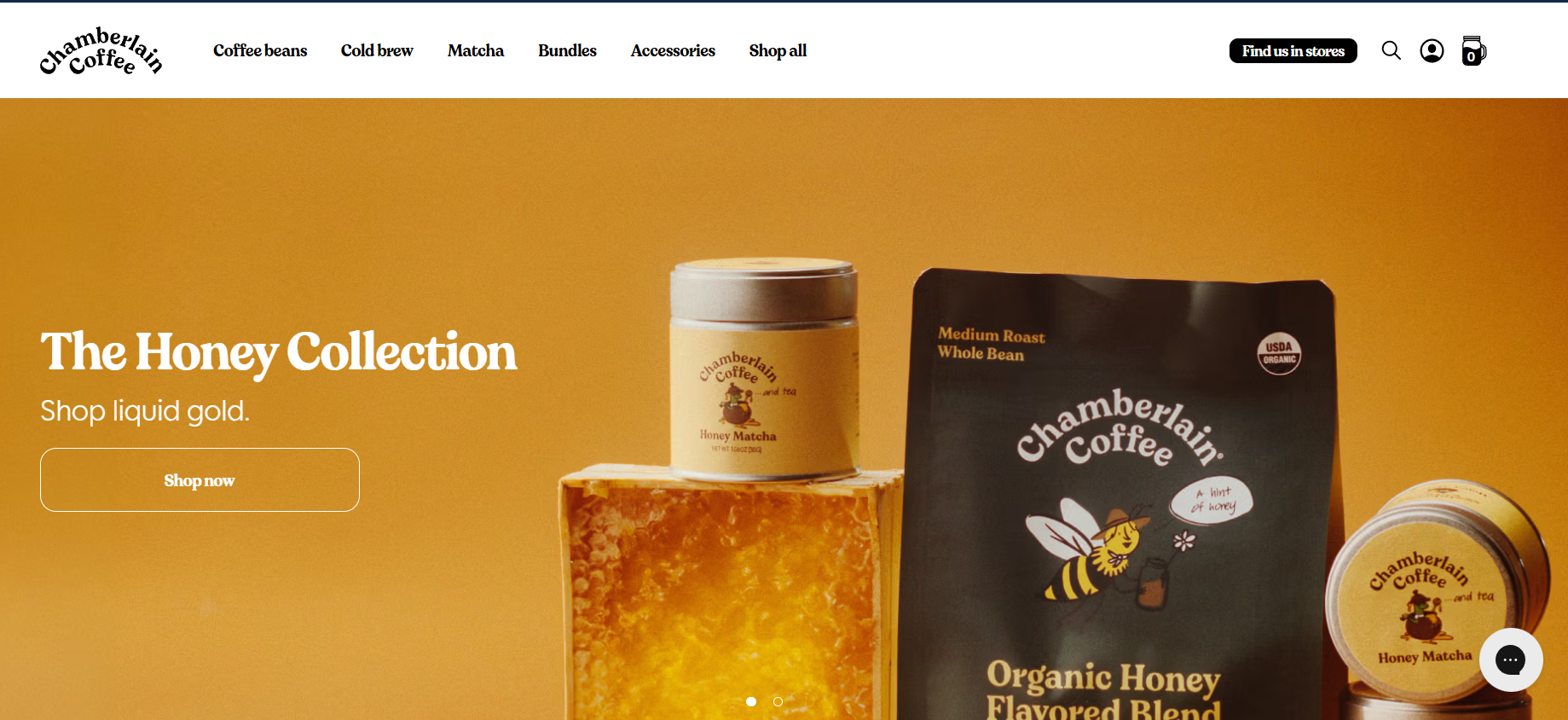
For founders and creators, this distinction matters practically. Emma Chamberlain created a universe – her aesthetic, voice, and worldview that resonates with millions. Her ecosystem includes Chamberlain Coffee, YouTube content, a podcast, and brand collaborations, all interconnected. The universe gives people something to believe in. The ecosystem gives them multiple ways to interact and gives her multiple ways to monetize that belief.
The mistake most brands make is building one without the other. They create isolated products (ecosystem without universe) that lack emotional resonance. Or they build compelling creative worlds (universe without ecosystem) that never translate into sustainable business models. The strongest brands build both simultaneously.
From Business Ecosystems to Brand Ecosystems: A Strategic Evolution
The concept of ecosystems in business isn’t new, but its application to brand building represents a fundamental shift in how companies create value. Understanding this history helps marketers and founders recognize why ecosystem thinking has become essential.
James Moore introduced “business ecosystems” in his 1999 Harvard Business Review article “Predators and Prey: A New Ecology of Competition,” describing loose networks of suppliers, distributors, and external partners working together around central companies. The focus was primarily on supply chains and corporate partnerships – the mechanics of how businesses operate together.
Through the 2000s, technology companies demonstrated ecosystem power at scale.
Apple’s ecosystem connected hardware, software, and additional services into a seamless experience with unprecedented control over the user journey.
Google built an ecosystem of search, advertising, content, and productivity tools. These weren’t just product portfolios – they were interconnected systems where each element increased the value of the others.
The 2010s brought the crucial evolution from business ecosystems to brand ecosystems. The shift happened as digital platforms enabled creators and smaller companies to build interconnected systems previously available only to corporations.
Instagram allowed personal brands to connect directly with audiences. YouTube enabled content creators to build sustainable businesses. Platforms like Shopify made it possible to launch products without traditional infrastructure.
This democratization revealed something important: ecosystem thinking isn’t about scale – it’s about structure. A solo creator can architect an ecosystem just as strategically as Disney, using the same principles applied at different scales.
Oana Leonte observed this evolution firsthand across two decades building brands at Disney, Warner Bros, Paramount, and PUMA. The brands that lasted moved from thinking about individual campaigns to thinking about how every piece of intellectual property, every partnership, every product could interconnect to create larger brand worlds. That shift from campaign thinking to ecosystem thinking separates brands that scale from brands that plateau.
Why Building a Brand Ecosystem is No Longer Optional
Three forces have made brand ecosystems essential rather than advantageous for sustainable growth.
The Algorithm Won’t Save You
Platform dependency has become the greatest liability in modern brand building. Organizations that rely on a single platform for distribution live at the mercy of algorithm changes, policy shifts, and platform decline. When Instagram deprioritizes reach, when TikTok faces regulatory uncertainty, when any platform changes its rules, brands without ecosystems lose everything they’ve built.
Brand ecosystems create platform-agnostic value. The IP, community, and interconnected products exist independently of any single channel. Content platforms become distribution tools rather than foundations. If one platform diminishes, the ecosystem continues functioning through other channels – including the brand’s owned website and direct community access.
Content volume doesn’t equal brand equity. Posting daily might generate temporary attention, but attention isn’t brand ownership. Massive ad spend can drive traffic, but it doesn’t build loyal audiences. Ecosystems build owned assets – intellectual property, customer relationships, proprietary products – that appreciate over time rather than depreciating the moment the post drops from the feed.
AI Can Create Content. It Can’t Create Your Ecosystem.
Generative AI has fundamentally altered the value proposition for content. When anyone can produce professional-quality written, visual, or video content with prompts, content itself becomes commoditized. The competitive advantage shifts from production capacity to what AI cannot replicate: unique intellectual property, authentic relationships, and interconnected brand systems.
Your ecosystem becomes your competitive moat. AI can’t duplicate decades of industry experience structured into proprietary frameworks. It can’t replicate the trust built through consistent community engagement. It can’t recreate the strategic partnerships that expand your brand’s reach. These elements – the core of ecosystem thinking – remain defensible even as content production becomes effortless.
The brands winning in the AI era aren’t those creating more content or increasing ad spend. They’re those building systems where content serves a larger purpose: distributing unique IP, strengthening community bonds, and guiding audiences through interconnected offerings with convenience and efficiency.
Ecosystems Create Compounding Value
Linear growth strategies produce linear results. Create a product, market it, sell it – repeat. Each campaign starts from zero. Each product launch requires full marketing investment. Revenue grows incrementally at best.
Ecosystems produce compounding results. One piece of strong intellectual property generates multiple revenue streams. Community engagement drives organic growth through word-of-mouth and user-generated content. Strategic partnerships expand reach without proportional cost increases. Each new element added to the ecosystem increases the value of existing elements while improving operational efficiency.
Research from Harris Poll demonstrates this quantitatively: successful brand ecosystems significantly expand product portfolios, making it possible for consumers to find more products relevant to their needs within a single brand. This leads to measurably increased brand loyalty and customer lifetime value. According to their research, consumers are more likely to have their needs met by one brand with a strong ecosystem rather than looking to multiple brands, creating the foundation for sustained growth.
Harvard Business Review research on ecosystem businesses reveals another crucial advantage: resilience. In their article “In a Crisis, Ecosystem Businesses Have a Competitive Advantage,” researchers found that companies with ecosystem models adapted more successfully during disruption because they could pivot parts of the system without breaking the whole. Traditional linear businesses, by contrast, struggled when their singular business model faced pressure.
The shift from campaigns to ecosystems isn’t about doing more. It’s about building strategically so everything you create increases the value of everything else you’ve built.
The IP Stack™: Foundation for Your Brand Ecosystem
Before building an ecosystem, brands need something worth building around. This is where The IP Stack™ comes in – unmtchd’s proprietary framework for structuring brand value into three distinct layers that form the foundation of sustainable ecosystems.
Most brands skip this step, jumping straight to tactics: creating content, launching products, building audiences. Without a structured core, these efforts remain disconnected. The IP Stack ensures everything connects back to defensible, scalable intellectual property.
Layer 1 – Human IP
Human IP encompasses the unique perspective, lived experience, and philosophy that makes a brand irreplaceable. This isn’t demographic information or industry positioning – it’s the lens through which the organization sees the world and the lived experiences that shape that perspective.
For unmtchd, this layer includes insights from two decades working across Disney, Warner Bros, Paramount, and PUMA – the patterns observed about how billion-dollar brands build lasting equity, the intersections of fashion, sports, and entertainment, the shift from campaign thinking to ecosystem thinking witnessed across multiple industries.
Human IP drives authenticity. It’s what makes audiences connect with the brand on a deeper level than functional benefits alone. When creators and founders articulate their human IP clearly, they attract audiences who resonate with their worldview, not just their offerings.
This layer answers: Why does this brand exist? What unique truth has it learned? What perspective does it bring that others don’t?
Layer 2 – Brand IP
Brand IP is what happens when human insights get structured into scalable systems. This includes frameworks, methodologies, proprietary processes, and repeatable approaches that can be taught, licensed, and scaled beyond the founder.
Examples of strong brand IP include Nike’s “Just Do It” philosophy codified across every product and campaign, Disney’s storytelling formula applied across properties, PUMA’s strategic approach to brand partnerships that consistently positions the brand at cultural intersections.

Source: https://www.wk.com/work/nike-dream-crazy/
For unmtchd, Brand IP includes The IP Stack framework itself, methodologies for building brand ecosystems, and approaches to strategic positioning developed through corporate experience and now applied to founders and creators.
Brand IP drives longevity. It’s what allows brands to scale beyond individual execution, hire employees who can apply the methodology consistently, and license or franchise the approach to new markets. Without Brand IP, brands remain dependent on founder availability and subjective decision-making.
This layer answers: What proprietary system does this brand use? What methodology can be taught to others? What frameworks create repeatable results?
Layer 3 – Product IP
Product IP represents the scalable offerings that embody the brand’s intellectual property. These aren’t random product lines – each offering serves the ecosystem by reaching different audiences, meeting different needs, and generating different money streams while remaining coherent with the core IP.
Product IP includes everything from membership communities to physical products, advisory services to educational courses, software tools to events. The key is strategic architecture: each product connects back to the core IP while extending the ecosystem into new territory.
unmtchd’s Product IP demonstrates this structure: The unmtchd Collective membership provides community and frameworks for building brand ecosystems. Advisory services apply the methodology directly to clients’ businesses. Reports and research extend the intellectual property into new industry insights. Each serves different audience segments while reinforcing the central IP around ecosystem-driven brand building.

This layer answers: How does this brand monetize its IP? What products embody the methodology? What offerings create multiple revenue streams?
Why The IP Stack Matters for Ecosystem Building
The IP Stack becomes the center of gravity for the entire ecosystem. Everything else – content, partnerships, community engagement – radiates from this structured core.
Without Layer 1 (Human IP), the brand lacks authentic differentiation. Without Layer 2 (Brand IP), the insights remain unscalable. Without Layer 3 (Product IP), the brand generates no revenue. Together, they create a foundation strong enough to support a growing ecosystem without losing coherence.
Brands attempting to build ecosystems without first establishing their IP Stack typically create disconnected assets that don’t reinforce each other. They have products, content, and community, but no clear through-line connecting them. The IP Stack provides that through-line.
How to Build a Brand Ecosystem: The 7-Step Framework
Building a brand ecosystem requires strategic thinking beyond typical marketing approaches.
Step 1 – Identify Your Core IP
Ecosystem building starts with intellectual property identification, not audience building or content creation. Brands must audit their expertise, perspective, and lived experience to identify what makes them defensibly unique.
Key questions to answer:
- What methodology have you developed through years of practice?
- What unique lens do you bring to your industry?
- What have you learned that contradicts conventional wisdom?
- What frameworks emerge from your repeated success patterns?
Tactical exercise: Review the past 6-12 months of work or content. What themes repeat consistently? What questions does your audience ask again and again? What problems do you solve in ways others don’t? These repetitions signal potential IP worth structuring.
The mistake most brands make here is thinking their IP isn’t unique enough. The IP doesn’t need to be entirely novel – it needs to be distinctively yours, structured in a way competitors can’t easily replicate. Disney didn’t invent storytelling. They developed a proprietary approach to emotional storytelling that creates billion-dollar franchises.
Step 2 – Map Your Stakeholder Ecosystem
Ecosystems involve multiple parties, each playing distinct roles. Before designing products or partnerships, brands must understand who comprises their ecosystem and how these groups interact.
Primary stakeholders typically include:
- Core community: The engaged audience who believes in the brand’s mission
- Customers: Those actively purchasing products or services
- External partners: Complementary brands or individuals who extend reach
- Contributors: People who add value to the ecosystem (guest experts, collaborators)
- Amplifiers: Media, platforms, or influencers who distribute the brand’s message
- Internal team: Employees who deliver the brand experience
- Investors: Financial stakeholders who support long-term vision
Each stakeholder group has different needs and contributes different value. Core community members might need belonging and insider access. Customers need solutions to specific problems. External partners need mutual value creation opportunities. Understanding these distinctions allows brands to design ecosystem elements that serve multiple stakeholders simultaneously.
PUMA’s ecosystem demonstrates this clearly. The brand’s stakeholder map includes elite athletes who provide performance credibility, fashion designers who deliver cultural relevance, motorsport partners who add premium positioning, retailers who provide distribution, and consumers who seek products at the intersection of all these elements. Each relationship strengthens the others.
Step 3 – Design Your Product Architecture
Multiple products at different price points allow ecosystems to serve multiple customer needs while maximizing customer lifetime value. This isn’t about creating more offerings randomly – it’s about strategic architecture where each product connects to the core IP while reaching different audience segments.
Effective product architecture typically includes:
- Entry products: Low-cost or free offerings that introduce audiences to the brand’s IP (newsletters, lead magnets, introductory workshops)
- Core products: Primary revenue drivers that embody the full methodology (memberships, flagship services, signature products)
- Premium products: High-touch offerings for those wanting deeper engagement (advisory, private communities, bespoke services)
- Adjacent products: Extensions that serve the ecosystem without diluting the core (tools, templates, merchandise)
- Additional services: Complementary offerings that enhance the value proposition
unmtchd’s product architecture exemplifies this approach. The newsletter and podcast serve as entry products, introducing audiences to ecosystem thinking and brand building frameworks.
The unmtchd Collective membership functions as the core product, providing ongoing education and community. Advisory services represent the premium tier, applying methodologies directly to client businesses. Each product reinforces the others while serving different needs and budgets with greater convenience.
The critical principle: products should complement, not compete. Each offering should make the others more valuable. A reader of the newsletter becomes more likely to join the membership. A membership participant becomes more qualified to engage advisory services. The ecosystem creates natural ascension paths.
Step 4 – Build Strategic Partnerships
Partnerships in ecosystem thinking differ fundamentally from traditional collaborations or sponsorships. Rather than one-off deals for mutual promotion, ecosystem partnerships create ongoing value exchange that strengthens both brands’ positioning.
Characteristics of strong ecosystem partnerships:
- Aligned positioning: Partners share values and target similar (but not identical) audiences
- Complementary offerings: Each brand fills gaps in the other’s ecosystem
- Mutual value creation: Both partners gain strategic advantage, not just exposure
- Long-term commitment: Partnerships deepen over time rather than ending after a campaign
- Data sharing: Strategic integration often includes analytics and customer insights
When PUMA partnered with Red Bull Racing and Porsche Design, these weren’t isolated sponsorship deals. The partnerships positioned PUMA at the intersection of motorsport excellence, performance innovation, and premium lifestyle – a positioning no single campaign could achieve. Each partnership reinforced the strategic narrative while reaching new audiences aligned with PUMA’s brand values.

Source: https://about.puma.com/en/newsroom/news/puma-enters-multi-year-partnership-porsche-motorsport
For smaller brands and creators, strategic partnerships work similarly at different scales. Podcast hosts who regularly feature complementary experts aren’t just creating content – they’re building an ecosystem of trusted voices. Software companies that integrate with complementary tools aren’t just adding features – they’re expanding their ecosystem’s utility.
The question to ask: Does this partnership make both brands more defensible? If it’s purely transactional (exposure exchange), it’s not ecosystem building. If it creates lasting strategic value, it strengthens the ecosystem.
Step 5 – Create Content as Distribution (Not as Product)
The shift from content-as-product to content-as-distribution represents a fundamental mindset change most marketers struggle to make. Content isn’t the asset. Content distributes the asset (your IP) across channels.
This distinction changes everything about content strategy. Instead of creating content to accumulate views or followers, brands create content to:
- Introduce audiences to their intellectual property
- Demonstrate their frameworks and methodologies in action
- Guide audiences toward deeper ecosystem engagement
- Serve existing community with ongoing value
- Establish thought leadership in their positioning
Effective ecosystem content typically employs a multi-format approach:
- Written content (articles, newsletters, website) for depth and SEO value
- Video content for accessibility and platform reach
- Audio content (podcasts) for intimate connection and sustained attention
- Visual content for brand identity and social distribution
Each format serves different purposes within the ecosystem. Written content drives search discovery and provides enduring reference material. Video makes complex frameworks accessible and builds personal connection. Audio creates consistent touchpoints during commuting or exercise. Visual content reinforces brand identity and facilitates social sharing.
The crucial point: every piece of content should point back to the ecosystem’s core. An article about brand positioning should naturally lead to a framework that readers can apply – available through membership or advisory services. A podcast conversation should reference concepts developed more fully elsewhere in the ecosystem. Content becomes the connective tissue between stakeholders and products rather than an end unto itself.
Step 6 – Cultivate Community as Co-Creators
In ecosystem thinking, community members aren’t audiences consuming content – they’re participants contributing value. This fundamental shift from broadcast to participation creates engagement that compounds over time.
Strong brand communities provide several ecosystem benefits:
- User-generated content extends brand reach without proportional investment
- Peer-to-peer value exchange increases community stickiness beyond brand-provided content
- Real-time feedback improves products and reveals new opportunities
- Social proof attracts new members through authentic testimonials
- Network effects make the community more valuable as it grows, creating loyal advocates
The unmtchd Collective demonstrates community-as-ecosystem-hub thinking. Members don’t just consume frameworks and attend workshops – they share their own ecosystem-building journeys, provide feedback on emerging ideas, and connect with other founders facing similar challenges. This participation creates value the brand alone couldn’t produce while deepening member investment in the ecosystem’s success.
Brands building community within their ecosystems should provide:
- Clear frameworks that give members shared language and concepts
- Collaboration opportunities that allow members to work together
- Recognition systems that celebrate member contributions
- Exclusive access to resources, ideas, or products available only within the community
- Co-creation mechanisms that let members influence product direction
The mistake many brands make is treating community as a customer service channel or promotional tool. Ecosystem-strong communities function as value creation engines where members build relationships, share expertise, and develop their own intellectual property using the brand’s frameworks as foundation.
Step 7 – Measure Ecosystem Health (Not Just Metrics)
Vanity metrics – followers, views, likes – measure attention, not ecosystem strength. Brands building sustainable ecosystems need different measurement frameworks that track interconnection and compounding value through analytics and data.
Key ecosystem health indicators:
| Indicator | What to Measure | What Success Looks Like |
| IP Recognition | Are people referencing your frameworks and methodologies? Do they use your proprietary language? | Your intellectual property penetrates market consciousness and becomes part of industry conversation. Others cite your concepts. |
| Partnership Quality | Are external partners bringing higher-caliber opportunities? Are partnerships deepening over time? | Strong ecosystems attract increasingly strategic partnerships as brand equity compounds. Relationships evolve from transactional to strategic. |
| Community Engagement Depth | Participation rates, peer-to-peer interaction, member-generated content, retention (not just member count) | Members become progressively more engaged and loyal over time. Low churn. High participation. Active peer connection. |
| Revenue Diversification | Are customers engaging multiple products? Is customer lifetime value (LTV) increasing? | Customers ascend from entry products → core products → premium services, spending more money over time across the ecosystem. |
| Platform Independence | What percentage of engagement happens on owned channels (email, community, website) vs. rented channels (social media)? | Progressive shift from platform-dependent to platform-independent engagement, giving the organization greater control. |
| Organic Growth Rate | How much growth comes from referrals, word-of-mouth, and customer expansion vs. paid acquisition? | Flywheel effects where growth compounds organically with decreasing reliance on ad spend. |
Kantar’s Ecosystem Brand Evaluation System provides a sophisticated framework for measuring ecosystem maturity across three dimensions: Co-evolution (interaction between brand and users), Value Circulation (continuous cycles of value creation), and Brand Purpose (contribution to larger social value). While designed for enterprise brands, the principles apply at any scale.
The goal isn’t to maximize any single metric but to build interconnected strength across multiple dimensions using data and analytics to guide decisions. A brand with 10,000 highly engaged community members building businesses using its frameworks has a stronger ecosystem than a brand with 100,000 passive followers consuming content.
Ready to map out your brand ecosystem? Join The unmtchd Collective to access the complete IP Stack workshop, ecosystem planning tools, and a community of founders building sustainable brands. Learn more about The Collective
Brand Ecosystems in Action: Lessons from the Best
Theory matters less than execution. The brands that successfully built ecosystems share common patterns worth studying and adapting.
Disney: The Ecosystem Blueprint
Disney’s ecosystem demonstrates the power of interconnected intellectual property at maximum scale. What started with a mouse character has evolved into an empire where single pieces of IP generate value across a dozen different channels simultaneously.
The Marvel Cinematic Universe exemplifies this approach. A single character like Iron Man doesn’t just generate one movie’s revenue. That character appears in multiple films, anchors streaming series, drives merchandise sales, becomes theme park attractions, inspires video games, generates licensing deals, and creates Broadway adaptations. Each touchpoint reinforces the brand experience while reaching different audiences and creating distinct revenue streams.

Source: https://www.linkedin.com/pulse/hero-your-own-marvelous-story-david-hong/
The lesson for brands at any scale: think in connected systems, not isolated campaigns. When creating IP, immediately consider how it could extend across multiple formats and offerings. One strong piece of intellectual property, properly architected, produces exponential value through ecosystem thinking.
Disney’s other crucial insight: emotional IP matters more than functional IP. People don’t love Disney because their movies have better technical execution. They love Disney because the brand created characters and stories that resonate emotionally across generations. The emotional connection justifies premium pricing and creates evangelism that functional benefits alone can’t generate.
PUMA: Performance Meets Culture
PUMA’s ecosystem illustrates how strategic partnerships create positioning advantages impossible to achieve through product development or advertising alone. Rather than competing purely on athletic performance (where Nike dominates) or fashion credibility (where luxury brands reign), PUMA positioned itself at the intersection through ecosystem architecture.
Strategic partnerships with Red Bull Racing, Porsche Design, and BMW Motorsport connected PUMA to high-performance motorsport culture. Collaborations with fashion designers and cultural figures (like the FUTROGRADE show at New York Fashion Week) established credibility in fashion spaces. Sponsorships of athletes across multiple sports maintained performance legitimacy. Each partnership reinforced the brand’s unique value proposition: performance products with cultural currency.
This ecosystem approach allowed PUMA to compete effectively against larger competitors by occupying a distinct market position. The brand doesn’t need to outspend Nike on athletic sponsorships or Adidas on retail presence. The ecosystem creates differentiation that pure product features or marketing budgets can’t replicate, delivering greater efficiency with smart money allocation.
The lesson: use partnerships strategically to position your brand at valuable intersections. Complementary partnerships create positioning advantages that marketing alone cannot achieve. The key is coherence – each partnership must reinforce the same strategic narrative.
Emma Chamberlain: Creator-Led Ecosystems
Emma Chamberlain’s brand demonstrates that ecosystem thinking works at individual creator scale, not just corporate budgets. Starting with YouTube content, she built an interconnected system that multiplies value beyond platform algorithms.
The ecosystem includes YouTube as distribution for her personality and perspective (Human IP), Chamberlain Coffee as a product embodying her aesthetic and values (Product IP), a podcast extending her voice into audio format, and brand partnerships that align with her positioning. Each element reinforces the others while serving different purposes and generating different revenue streams.
Significantly, Chamberlain Coffee exists as more than merchandise. The brand has its own identity, retail presence, and product development trajectory that extends beyond Emma’s personal brand while remaining authentically connected to it. This separation-while-connection allows the ecosystem to grow beyond what Emma alone could sustain through personal content creation.
The lesson for creators and founders: ecosystem thinking doesn’t require massive teams or budgets. It requires strategic architecture where each element serves multiple purposes and reinforces core positioning.
A creator with 50,000 engaged followers and a well-structured ecosystem often generates more sustainable money than one with 500,000 followers and no ecosystem structure, with greater control over the brand experience.
5 Brand Ecosystem Mistakes That Kill Growth
Most ecosystem-building failures follow predictable patterns. Recognizing these mistakes before making them saves years of misdirected effort.
Mistake #1: Building Channels, Not Systems
Adding more platforms doesn’t create an ecosystem. A brand present on Instagram, TikTok, LinkedIn, YouTube, a website, and email hasn’t built an ecosystem – they’ve created more work without more value.
Ecosystem thinking requires integration with purpose. Each element should strengthen others and guide audiences toward deeper engagement. Random platform presence without strategic connection creates fragmentation, not ecosystem strength.
The fix: Before adding any new channel or product, ask how it connects to existing ecosystem elements. Does this new channel introduce audiences to core IP? Does it create natural paths toward other offerings? Does it serve stakeholders in ways existing channels don’t? If the answer is simply “more reach,” reconsider.
Mistake #2: Copying Someone Else’s Ecosystem
What works for Disney won’t work for most brands. What works for Gary Vaynerchuk won’t work for founders in different industries or with different positioning. Ecosystems must match unique intellectual property and strategic positioning.
Many brands observe successful ecosystems and attempt direct replication: “They have a podcast, so we need a podcast.” “They offer courses, so we should create courses.” This approach ignores that successful ecosystems emerged from strategic positioning, not from copying tactics.
The fix: Build ecosystem elements that serve your specific IP and audience needs. If your positioning emphasizes deep expertise and long-form thinking, perhaps a research-focused newsletter serves better than short-form video content. Let strategy drive tactics, not the reverse.
Mistake #3: No Center of Gravity
Ecosystems need a core – the intellectual property that everything else orbits. Without this center, organizations create collections of disconnected activities that don’t reinforce each other or compound in value.
Symptoms of this mistake include constantly shifting focus, pursuing every trend, and audience confusion about what the brand actually stands for. The brand has many offerings but no clear through-line connecting them.
The fix: Return to The IP Stack. Clearly articulate Human IP (perspective and lived experience), Brand IP (frameworks and methodologies), and Product IP (offerings that embody the IP). Every ecosystem element should connect back to this core. If it doesn’t, either find the connection or eliminate the element.
Mistake #4: Prioritizing Growth Over Coherence
Rapid expansion can dilute brand identity and weaken ecosystem strength. Saying yes to every partnership opportunity, launching products outside core positioning, or pursuing audiences misaligned with brand values creates short-term growth at the cost of long-term equity.
The temptation intensifies when competitors appear to grow faster. The instinct says “expand faster, add more offerings, reach more audiences.” But ecosystem strength comes from depth of connection, not breadth of reach. Better to build deep with 1,000 truly loyal community members than wide with 100,000 passive followers.
The fix: Use strategic positioning as filter for all decisions. Does this opportunity reinforce core positioning? Does it deepen relationships with ideal stakeholders? Does it strengthen the IP at the center? If not, the opportunity – regardless of growth potential – weakens the ecosystem.
Mistake #5: Ignoring Community Input
Ecosystems should evolve with their communities. Brands that rigidly maintain original vision despite community feedback miss opportunities to deepen relevance and strengthen connection.
This doesn’t mean following every suggestion or pivoting constantly. It means creating feedback mechanisms that surface genuine needs through data and analytics, then adapting ecosystem elements to serve those needs while maintaining strategic coherence.
The fix: Build regular community feedback into operations. The unmtchd Collective, for example, uses member conversations to identify which frameworks need deeper development, which topics warrant new resources, and how ecosystem elements could better serve member needs. This input shapes product development while keeping the core IP intact.
The Compounding Benefits of Brand Ecosystems
The investment required to build brand ecosystems – strategic thinking, IP development, interconnected products – pays compounding dividends over time. These benefits strengthen progressively as ecosystem elements mature and interconnect.
Multiple Revenue Streams
One core intellectual property generates money through numerous channels simultaneously. Disney’s Marvel IP generates income from films, streaming, merchandise, theme parks, video games, licensing, and more. At creator scale, a strong framework might generate revenue through courses, consulting, membership, tools, speaking fees, and book deals – all serving different markets while leveraging the same core IP.
This diversification creates resilience. When one revenue stream faces pressure (theaters closed during COVID), others compensate (streaming subscriptions surged). Platform changes that might devastate single-channel businesses barely affect well-structured ecosystems, giving the organization greater control and convenience.
Stronger Brand Equity
Content depreciates the moment it publishes. Intellectual property appreciates as more people interact with it. Frameworks become industry standard language. Methodologies get referenced and built upon. The brand becomes synonymous with concepts it defined.
This equity translates to pricing power, partnership leverage, and market authority that advertising budgets alone can’t purchase. Strong ecosystems command premium pricing because customers pay for access to the entire system, not individual products.
Competitive Moat
Ecosystems are difficult to replicate. Competitors can copy products, imitate content styles, or target the same audiences. They cannot easily duplicate years of intellectual property development, deep community relationships, and strategic partnerships that comprise strong ecosystems.
Research from Harvard Business Review in their article “In a Crisis, Ecosystem Businesses Have a Competitive Advantage” demonstrates this defensibility quantitatively. During market disruption, businesses with ecosystem advantages adapted more successfully because they could pivot ecosystem elements without breaking the whole system. Traditional businesses, optimized for single business models, struggled to change quickly.
The lesson: ecosystems create strategic advantages that compound over time and resist competitive pressure more effectively than product features or ad spend alone.
Resilience and Adaptability
Diversified ecosystems absorb shocks that would devastate linear businesses. When Instagram changes algorithms, ecosystem-strong brands maintain connection through email, community platforms, their website, and multiple products. When market preferences shift, brands can adjust specific ecosystem elements without rebuilding from scratch.
This flexibility comes from structural design. Because ecosystem elements connect to core IP rather than depending on each other sequentially, individual parts can evolve without compromising the whole. A brand can sunset one product, launch another, shift content formats, or pursue new partnerships – all while maintaining strategic coherence and operational efficiency.
Start Building Your Brand Ecosystem Today
Building brand ecosystems requires different thinking than traditional marketing or content creation. The shift from campaign thinking to ecosystem thinking, from attention to ownership, from linear growth to compounding value – these changes don’t happen accidentally.
The brands that will last the next hundred years won’t be those creating the most content or accumulating the most followers. They’ll be those building interconnected systems where intellectual property, strategic partnerships, valuable products, and engaged communities create value that compounds over time.
Disney proved it through decades of universe building. PUMA proved it through strategic positioning across industries. Successful creators are proving it happens at individual scale. The methodology is consistent: build around defensible intellectual property, create interconnected offerings that reinforce each other, cultivate community as co-creators, measure ecosystem health beyond vanity metrics using analytics and data.
Key Principles to Remember:
Brand ecosystems are IP-driven systems, not channel strategies. The center must be strong – unique perspectives structured into frameworks and methodologies that competitors cannot easily replicate.
Content serves the ecosystem; it doesn’t replace it. Every piece of content should distribute IP and guide audiences toward deeper engagement with the brand experience rather than existing as isolated output.
Strategic architecture matters more than volume. Better to build three interconnected products serving multiple customer needs than ten random offerings that don’t reinforce each other.
Community participation creates compounding value. Engaged members become co-creators, advocates, and contributors whose involvement makes the ecosystem progressively stronger and more loyal.
Ecosystem building is long-term strategy. Results compound over time rather than delivering immediate spikes. Patience and strategic consistency matter more than growth hacking or increasing ad spend.
Want expert guidance building your brand ecosystem? Book a discovery session with unmtchd to map your intellectual property and design your ecosystem strategy with greater efficiency. Explore our brand advisory services.