
In 2024, Jaguar unveiled a rebrand that sent shockwaves through the automotive and marketing industries. The British luxury brand stripped away decades of heritage, trading its iconic visual language for something unrecognizable. The result wasn’t innovation – it was confusion.
Within weeks, the brand faced intense backlash, proving a critical lesson about the difference between brand identity vs brand image: changing what you control doesn’t automatically fix how consumers perceive you.
Understanding the difference between brand identity vs brand image isn’t academic – it’s the difference between building brand equity and destroying it overnight. Oana Leonte, Marketing Director at PUMA with 20 years building billion-dollar brands at Disney, Warner Bros, and Paramount, has witnessed this pattern repeatedly: brands that confuse these two concepts pay the price in lost equity, consumer trust, and market position.
This blog post explains the real distinction between identity and image through examples from sports, fashion, and entertainment – and provides a framework to audit whether your company’s brand identity aligns with the image you’re earning in the market.
What is Brand Identity? (The IP You Own)
Brand identity is the intellectual property a company creates and controls – its visual system, brand voice, positioning, and the story it chooses to tell. It’s the deliberate, strategic elements that define how a brand presents itself to the world. Unlike brand image, which lives in consumers’ minds, brand identity is codified, protected, and managed internally.
A strong brand identity encompasses three core components:
Visual Identity: Logo design, color palette, typography, design system, packaging – every visual component customers recognize. These elements are protectable IP. At PUMA, the team trademarks everything from logo variations to specific colorways.
Verbal Identity: Brand messaging, brand voice, messaging tone, taglines, tone of communication. How a brand sounds across every touchpoint matters as much as how it looks. Nike’s “Just Do It” isn’t just a tagline – it’s brand identity that’s remained consistent since 1988.
Strategic Identity: Positioning, mission statements, values, brand promise. The unchanging core principles that guide every decision. This is where companies define their target audience, what the company stands for, and why they exist.
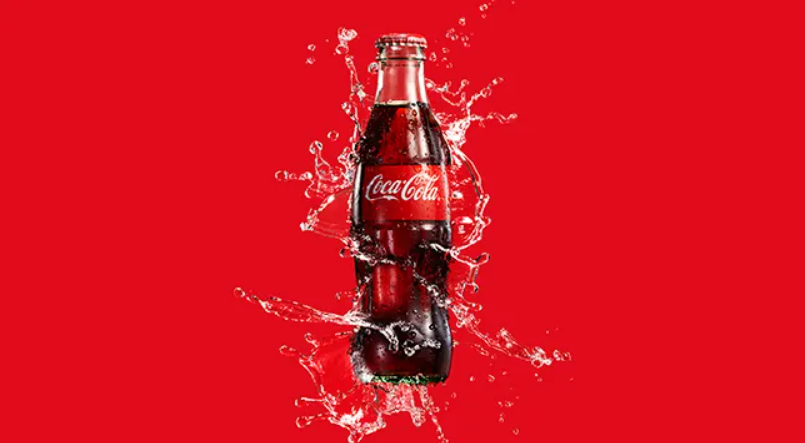
Coca-Cola’s red bottle is the perfect example of protected brand identity. Unchanged for decades, registered as a trademark, instantly recognizable globally. That bottle shape isn’t just packaging – it’s IP worth billions. The brand has fiercely protected this identity element because it represents consistency and brand recognition in every market they enter.
Brand Identity Example: PUMA’s Motorsport Ecosystem
When PUMA built its motorsport ecosystem through partnerships with Red Bull Racing and Porsche Design, the company’s brand identity elements remained non-negotiable across all collaborations. The core identity – performance innovation, motorsport culture, premium positioning – stayed consistent whether the product was racing gear for Red Bull or luxury streetwear with Porsche.
This strategic approach to identity management allowed PUMA to enter the motorsport space while maintaining brand ecosystem coherence across different partnerships and product categories. The well-defined brand identity didn’t shift with each collaboration – it provided the solid foundation that made expansion possible.
What is Brand Image? (The Equity You Earn)
Brand image is how consumers actually perceive a brand – built through every customer interaction, every product, every piece of content they experience over time. It’s consumer-owned perception that can’t be trademarked, only influenced through consistent delivery on brand promises.
While brand identity is what companies create, brand image is what they earn. This distinction matters because identity can be changed in a board room, but a strong brand image takes years of consistent behavior to build and seconds of misalignment to damage.
Brand image forms through multiple factors outside direct company control:
Product Quality: Does the product deliver on the brand promise consistently? Every purchase either reinforces or erodes the company’s brand image.
Customer Experience: From first touchpoint to post-purchase support, each customer interaction builds perception. One negative experience shared on social media can impact thousands of potential customers and create a negative brand image.
Cultural Context: How the brand shows up in cultural moments, which values it supports, how it responds to social issues – all shape the brand’s reputation.
Word-of-Mouth & Media Coverage: What loyal customers say about a brand to friends, family, and in online reviews. Customer feedback, positive reviews, and organic perception-building are powerful and largely uncontrollable.
Disney’s “family-friendly” image demonstrates this evolution perfectly. What started as Walt Disney’s personal vision became consumer expectation, then evolved into a cultural standard that transcends any single product or experience – from theme parks to streaming services. That image was built over decades of consistent storytelling, park experiences, and content that reinforced the same core associations: magic, family, wonder, quality.
Building brand equity through a good brand image takes time and consistency – exactly what members of The unmtchd. Collective learn to develop through strategic frameworks and community support.
The Critical Difference: Identity vs Image
The relationship between brand identity and brand image determines whether companies build lasting equity or waste resources chasing trends. Here are the key differences:
| Brand Identity | Brand Image |
| What you CREATE | What you EARN |
| Your IP (ownable) | Your equity (buildable) |
| Controlled internally | Shaped externally |
| Protected by trademark | Protected by consistency |
| Changes intentionally | Evolves culturally |
| Example: Nike swoosh | Example: Nike = athletic excellence |
| Designed by the company | Perceived by consumers |
| Measured by consistency audits | Measured by customer feedback |
| Investment in visual design & systems | Investment in customer success & delivery |
The best brands have unchanging identity and evolving image. Consider Coca-Cola: same red, same script logo, same bottle shape (identity) but image shifts from ‘American classic’ to ‘global refreshment’ to ‘nostalgia brand’ as culture evolves. The identity provides continuity while the image adapts to remain relevant across different customer’s perceptions.
Research from Harvard Business School confirms that brand equity – the value derived from consumer perception – is built when identity and image align consistently over time. When consumers’ experiences match what the brand promises through its identity, trust deepens and a loyal customer base grows.
Why Most Brands Confuse the Two (And How It Destroys Value)
The most expensive mistakes in branding happen when companies confuse identity problems with image problems – or vice versa. When brand image suffers, the instinct is often to change brand identity. This rarely works and frequently backfires spectacularly.
The Rebrand Trap
Jaguar’s recent rebrand exemplifies this trap. The brand faced an image problem – customers perceived it as outdated, struggling to attract new customers. Instead of addressing the image issue through product innovation, better customer interactions, or strategic positioning, leadership changed the identity entirely. New logo, new visual system, new messaging that abandoned what the brand stands for.
The market response was brutal. Loyal customers who valued Jaguar’s British luxury heritage felt betrayed. Younger consumers who might have been attracted remained unimpressed. The rebrand destroyed existing brand equity without building new associations strong enough to replace it.
According to research published in the Harvard Business Review, maintaining consistent brand identity while strategically evolving brand expression is far more effective than wholesale reinvention. The brands that build lasting equity protect their identity while allowing image to evolve naturally through improved products, better experiences, and cultural relevance.
The Presence vs. Brand Confusion
Another common mistake is conflating social media presence with brand building. Viral content creates attention. Brand equity requires a strong identity and positive image built over time.
Most people think if they go viral on TikTok, they have a brand. They don’t. They have visibility – which can be valuable for distribution – but visibility without identity clarity and consistent delivery doesn’t build equity. It’s noise, not signal.
This confusion costs business owners and marketers significant resources. They chase trending formats, algorithm changes, and viral moments instead of building the foundational identity and consistently delivering the experiences that create positive brand image and customer success.
How Identity and Image Work Together to Build Brand Equity
When brand identity shapes consistent experiences and brand image reflects those experiences positively, the result is brand equity – the intangible value that allows companies to command premium prices, inspire brand loyalty, and expand into new categories successfully. Aligning brand identity with image doesn’t happen by accident. It requires strategic thinking and consistent execution across four layers.
The Brand Consistency Stack
Layer 1: Brand Essence (Identity Foundation)
The unchanging core: mission, values, positioning. This essence should remain consistent even as markets, products, and leadership change. Apple’s “think different” essence has been unchanged since 1997, even as the brand image evolved from “rebel” to “premium” to “ecosystem.” The essence provides the anchor that defines what the company stands for.
Layer 2: Brand Expression (Identity Execution)
How essence shows up visually, verbally, experientially. This layer requires consistency to build equity. PUMA’s performance + street culture positioning expresses across all products, from running shoes to motorsport gear to fashion collaborations. The expression may adapt to category, but the brand’s visual and messaging tone stay recognizable.
Layer 3: Brand Experience (Image Builder)
Every consumer touchpoint either builds or erodes image. Product quality, customer service, partnerships, content, retail environment – each creates an impression. Consistency at this layer translates directly to brand equity because customers interact with what the identity promises and experience the brand’s personality firsthand.
Layer 4: Brand Perception (Image Reality)
What consumers actually think and feel – shaped by experience, cultural context, and time. This is the “return on brand consistency.” When layers 1-3 align consistently, layer 4 strengthens. When they misalign, perception fractures and equity erodes.
This framework explains why some heritage brands maintain relevance across decades while others fade. The consistent ones protect identity while letting image evolve with culture. The failing ones either change identity too frequently or refuse to let image evolve at all.
The Heritage Brand Paradox: When Image Outlives Identity
Sometimes brand image becomes more valuable than original brand identity – creating an opportunity for strategic brands and a trap for rigid ones. When customer’s perceptions shift to see a brand differently than the company defines itself, smart brands lean into the image shift while keeping identity core intact.
Salomon demonstrates this perfectly. The nature of the brand identity was “trail running gear” – technical outdoor equipment for serious athletes. But cultural perception shifted. Fashion-forward consumers discovered Salomon sneakers, influencers started wearing them with streetwear, and suddenly the brand’s image became “fashion sneaker with performance credibility.”
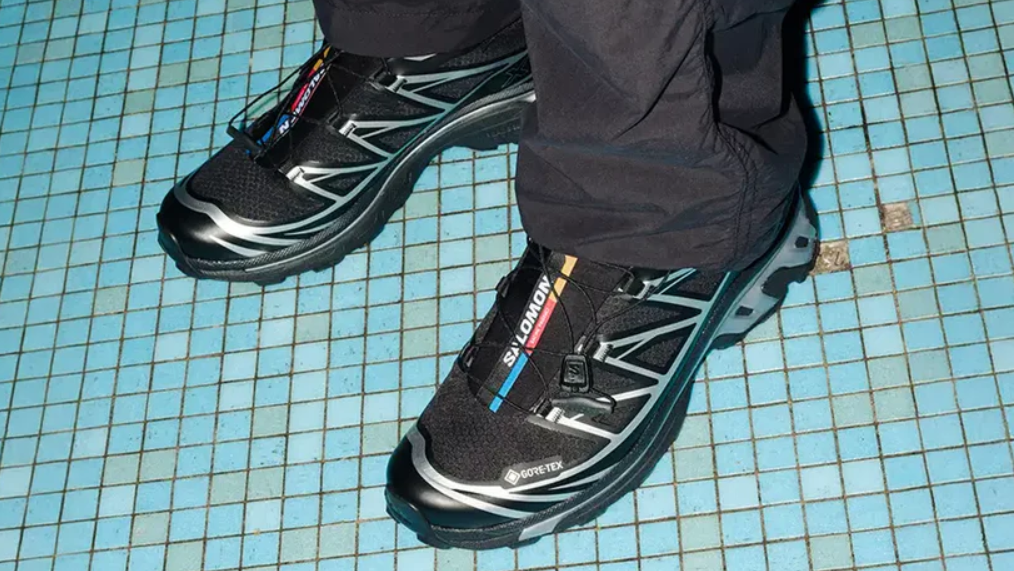
Source: https://www.overkillshop.com/collections/salomon
Salomon could have fought this shift, insisting consumers were “using the product wrong.” Instead, they recognized the opportunity. They maintained their identity core (performance, technical innovation, outdoor heritage) while embracing the evolved image through fashion collaborations and limited releases. The result: expanded market reach without losing their loyal customer base or competitive edge.
PUMA’s FUTROGRADE show at New York Fashion Week exemplifies this balance. The brand bridged heritage identity (performance sportswear with street culture roots) with contemporary image (fashion-forward, culturally relevant, premium). The identity provided authenticity; the image evolution provided relevance.
According to case studies of successful brand revivals, brands that understand this paradox – protecting identity while embracing image evolution – outperform those that resist change or change too much too fast.
How to Audit Your Brand Identity vs Image Gap
Most brands have a gap between intended identity and actual image. The question isn’t whether the gap exists – it’s whether you know how big it is and what’s causing it. This four-step brand audit framework helps diagnose the gap and determine whether you need identity changes, experience improvements, or simply more time and consistency.
Step 1: Define Your Intended Identity
Start with brutal honesty about what your brand says it stands for. Document:
- Your 3 core brand values and core principles
- Your primary positioning statement (who you serve, what problem you solve, what makes your business stand out)
- Your visual identity system (logo, colors, typography, imagery style)
- Your verbal identity (brand voice, key messages, taglines)
Write this down as if explaining it to a new team member. If you can’t articulate it clearly, you don’t have clarity – which means consistent execution is impossible and you can’t control brand identity effectively.
Step 2: Measure Your Actual Image
Now discover what customers actually think. Collect data from multiple sources:
- Customer surveys: Ask what three words describe your brand
- Social listening: What do people say about you on social media, online reviews, forums?
- Sales conversations: What do potential customers believe about you before they buy?
- Competitive comparison: How do customers perceive you relative to competitors?
Gather at least 20-30 data points. Look for patterns in customer feedback and customer success stories. The themes that emerge represent your actual brand image – not what you wish it was, but what it actually is.
Step 3: Identify the Gap
Map your intended identity against actual image. Look for three types of gaps:
Awareness Gap: Consumers don’t know key identity elements. Your visual components are unclear, positioning is confusing, or you haven’t communicated it enough for brand recognition.
Perception Gap: Consumers know your identity but don’t believe it. Your experiences don’t match your promises. This is usually an execution problem, not an identity problem.
Cultural Gap: Your identity made sense years ago but culture has shifted. The gap exists because you haven’t evolved expression while maintaining essence.
Most business owners discover the gap isn’t identity – it’s inconsistent execution or insufficient time building positive associations.
Step 4: Close the Gap (Without a Rebrand)
Oana’s experience shows that more often than not, fixing the gap requires fine-tuning and crafting the positioning rather than a full rebrand. Here’s the decision framework:
If the gap is awareness: Increase consistent communication of your existing identity. More touchpoints, clearer brand messaging, better storytelling. Ensure messaging remains consistent across all channels.
If the gap is perception: Fix the experience. Improve product quality, customer service, or delivery on your brand promise. The identity is fine – the execution needs work. Focus on creating emotional connections through authentic customer interactions.
If the gap is cultural: Evolve expression while maintaining essence. Update visual identity without abandoning what customers recognize. Refresh messaging without losing positioning.
Only rebrand if: Your business fundamentally changed (new category, new audience, merger), your identity is built around something outdated or problematic, or you never had a well-defined brand identity to begin with.
Real-World Examples: Identity vs Image Alignment
Example 1: Liquid Death (Strong Alignment)
Identity: Rebellious water brand, punk rock aesthetic, anti-plastic environmental mission, irreverent brand messaging
Image: Exactly that – customers perceive it as edgy, environmental, different, entertaining
Gap: Minimal alignment drives rapid growth and fierce brand loyalty
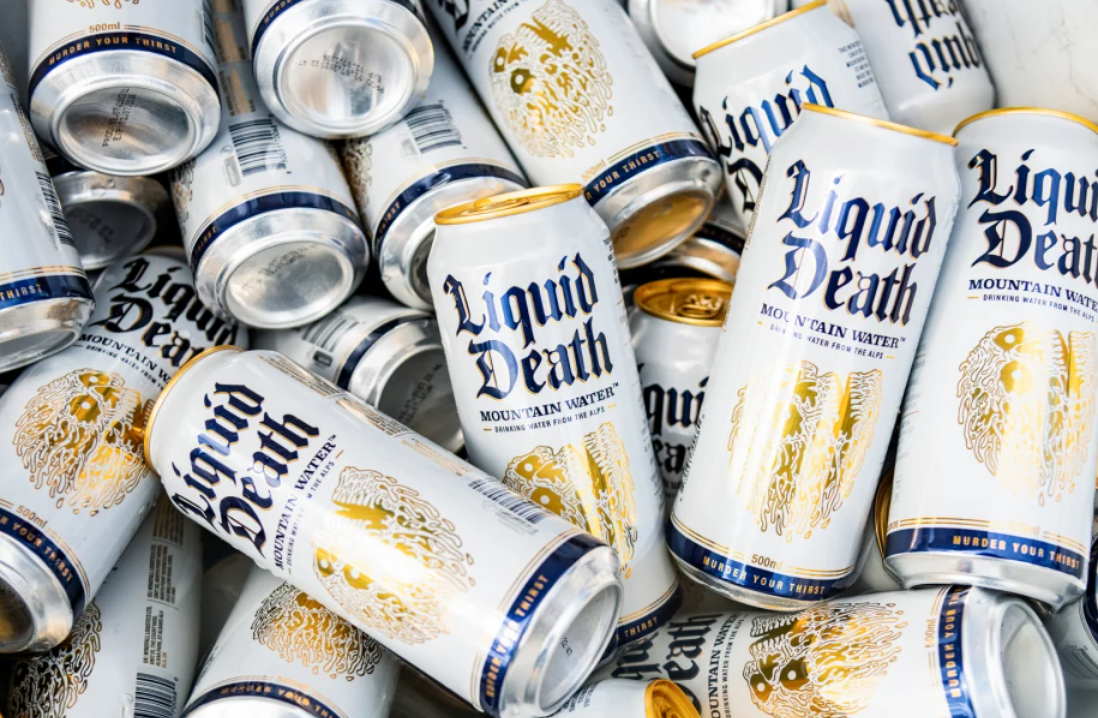
Liquid Death understood from day one that identity and image must align. Every touchpoint – from skull-covered cans to death metal-inspired marketing to environmental activism – reinforces the same associations. Consumers experience what the brand promises, creating trust, an emotional connection, and word-of-mouth momentum.
Example 2: Tropicana Rebrand Disaster (Catastrophic Misalignment)
In 2009, Tropicana changed its packaging identity thinking it would improve brand image. The iconic orange-with-a-straw disappeared, replaced by a generic glass of juice. The familiar bold logo became small and vertical. The package looked like a discount store brand instead of premium juice.
Consumer response was immediate and brutal. Sales dropped 20% – approximately $20 million in losses – within two months. The negative brand image created by confused loyal customers forced Tropicana to pull the new packaging and revert to the original.
The lesson: Tropicana changed identity to fix what was actually an image maintenance issue. Consumers loved the brand. The strong brand identity worked. What they needed was consistency and trust, not disruption and confusion. The rebrand didn’t just fail to improve image – it actively destroyed equity that took decades to build through positive customer interactions.
Example 3: PUMA’s Consistent Evolution (Strategic Alignment)
Identity Core: Performance + street culture, forever faster, athletic heritage
Image Evolution: From “athletic” to “lifestyle athletic” to “motorsport luxury”
Method: Identity stayed consistent while expression evolved with culture
PUMA demonstrates how to let image evolve without sacrificing a strong identity. The brand’s core positioning – the intersection of performance and culture – never changed. But how that positioning expressed in different eras adapted: from Olympic athletics to hip-hop collaborations to motorsport partnerships to fashion week presentations.
The identity provided the through-line. The evolving image kept the brand relevant across generations and cultural moments, attracting new customers while retaining loyal ones. This is how brands build equity that compounds over decades rather than chasing trends that fade in months.
Brand Identity vs Brand Image: Your Questions Answered
What is the difference between a brand identity and a brand image?
Brand identity is what a company creates and controls – its visual system, messaging, and strategic positioning. Brand image is how consumers actually perceive the brand based on their experiences and associations over time. Identity is your IP; image is your equity. One you establish brand ownership, one you earn through consistent delivery on your brand promises.
Think of it this way: Brand identity is the story you tell about yourself. Brand image is the story consumers tell about you. When these stories align, you have brand equity and a competitive edge.
What is a brand identity example?
PUMA’s black cat logo, signature Formstrip, “Forever Faster” positioning, and consistent color palette make up its brand identity – the controlled elements that define how the brand presents itself. These components are trademarked, protected, and carefully managed across every product, partnership, and communication.
The creation of brand identity includes visual elements (logo design, colors, typography), verbal elements (taglines, brand voice, messaging tone), and strategic elements (positioning, values, brand promise). Together, these create a coherent system that differentiates the brand and provides consistency across touchpoints.
What are the 5 pillars of brand identity?
The five pillars of brand identity are:
- Brand Strategy: Mission statements, vision, values, positioning – the strategic foundation that guides all decisions
- Visual Identity: Logo, color palette, typography, imagery style, design system – all visual components
- Verbal Identity: Brand voice, messaging architecture, taglines, storytelling approach, messaging tone
- Experiential Identity: How the brand shows up across touchpoints, customer experience principles, the brand’s personality
- Brand Guidelines: Documentation and systems that ensure messaging consistent and visual elements remain consistent in execution
These pillars work together to create a cohesive identity that’s recognizable, ownable, and sustainable over time. Strong brands invest in all five pillars, not just logos and colors.
What are the 3 P’s of branding?
The 3 P’s of branding are:
Promise: What you guarantee to customers – the value proposition and brand commitment
Positioning: Where you sit in the market relative to competitors – your unique space and competitive edge
Perception: How you’re viewed by consumers – the associations they have with your brand through customer feedback and reviews
These connect directly to brand identity and brand image. Promise and positioning are elements of identity that companies control and communicate. Perception is brand image – what consumers actually believe based on their experiences. When promise and positioning align with perception, brand equity grows and brand loyalty strengthens.
The Real Work: Building Equity Through Alignment
Brand identity is IP companies create. Brand image is equity they earn. The gap between them isn’t always bad – it’s where brand equity lives, built through the consistent delivery of experiences that match the identity promise.
After 20 years building brands at Disney, Warner Bros, Paramount, and PUMA, Oana Leonte has learned one critical lesson: the brands that last don’t chase trends with identity changes. They stay true to their core identity while letting their image evolve with culture. That’s how companies build equity that compounds over time rather than evaporating with the next algorithm change.
The work isn’t glamorous. It’s showing up consistently, delivering on promises, refining positioning without abandoning heritage, and building positive associations through thousands of small customer interactions across years. But this is the only path to brand equity that creates lasting value – financial, cultural, and strategic.
Ready to audit your brand’s identity vs image gap? Join The unmtchd. Collective to access the Brand Consistency Framework and build brand equity alongside 500+ founders and creators.
Get the tools, community, and strategic guidance to turn your brand into an asset that appreciates over time, not just a presence that fades when you stop posting.