
Most companies think they own their brand because they filed a trademark. They protect their logo, register their business name, and check the legal boxes. But brand ownership goes far deeper than paperwork. True brand ownership isn’t just about what you can protect legally – it’s about the intellectual property you create, the cultural territory you claim, and the emotional equity you build over time.
In a world where AI can replicate aesthetics and algorithms can distribute content at scale, the only sustainable competitive advantage is what you actually own. Not what you rent through platform attention. Not what you borrow from trending formats. What you build, codify, and protect as uniquely yours.
This is the difference between brands that fade and brands that last. Between companies that chase visibility and companies that build value. Between founders who create content and founders who create IP.
What Does Brand Ownership Mean? (The Three Dimensions)
Brand ownership operates on three interconnected levels. Most companies focus exclusively on the first – legal protection – and never reach the deeper layers where real brand value lives.
Legal Ownership – The Foundation
Legal ownership is where most brand conversations begin and end. It includes trademarks that protect your name and logo, copyrights that secure your creative work, and patents that safeguard your inventions. According to the U.S. Patent and Trademark Office, a trademark provides legal protection for brand names, logos, and slogans that distinguish products or services in the marketplace.
This protection matters. Without it, competitors can replicate your brand identity, confuse potential customers, and erode the equity you’ve spent years building. A registered trademark gives the brand owner the legal right to prevent other brands from using similar marks for related goods or services.
But here’s what most founders miss: legal ownership is just the foundation. Having a registered trademark doesn’t mean you own anything meaningful in the market. It means you’ve secured the minimum protection necessary to build something bigger.
Emotional Ownership – The Connection
Emotional ownership is what happens when the brand’s customers don’t just recognize your brand – they feel something about it. This is the territory where brands move from awareness to affinity, from consideration to conviction.
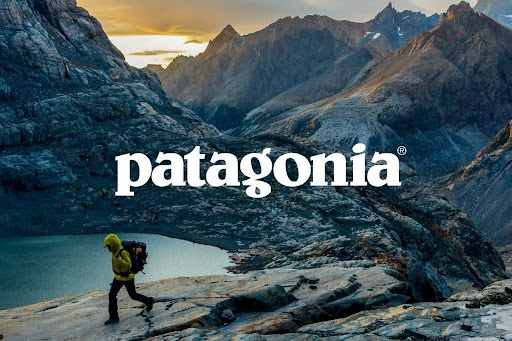
Patagonia owns “environmental activism” in the outdoor industry. When customers buy from Patagonia, they’re not just purchasing technical gear; they’re aligning with a movement.
Source: https://purpose-economy.org/en/companies/patagonia/
The brand’s decision to commit one percent of sales to environmental causes, and eventually transfer company ownership to climate-focused trusts, isn’t marketing – it’s ownable territory that competitors can’t replicate without looking derivative. This builds consumer trust and long lasting relationships that transcend purchasing decisions.
Red Bull owns “extreme performance culture.” The company doesn’t just sponsor athletes; it creates the media, events, and cultural moments that define what extreme performance means. From Red Bull Media House to the Red Bull Racing Formula 1 team, they built a brand ecosystem where energy drinks are almost secondary to the cultural IP it controls.
This emotional ownership can’t be trademarked. It can only be earned through consistent brand messaging, authentic values, and cultural relevance over time. And once established, it becomes far more defensible than any legal protection.
Strategic Ownership – The Equity
Strategic ownership is the most valuable dimension and the least understood. It’s the proprietary frameworks, methodologies, and intellectual property that make your brand scalable, teachable, and sellable.
Disney doesn’t just own characters – it owns a repeatable model for turning stories into multi-billion dollar ecosystems. One piece of brand IP becomes a film, which becomes merchandise, which becomes theme park experiences, which becomes streaming content. The strategic ownership isn’t the individual branded assets; it’s the system that creates and scales them across line extensions and subsidiary brands through strategic brand architecture.
Strategic ownership is what separates brands that get acquired for multiples of revenue from brands that struggle to sell at all. It’s the difference between building brand equity – the commercial value derived from consumer perception – and just building brand awareness.
Why Brand Ownership Matters More Than Ever
Algorithms Change, Ownership Lasts
Social media platforms promised reach. Then they changed the algorithm. Brands that built their entire strategy on rented attention – Instagram followers, TikTok views, YouTube subscribers – woke up one day to find their distribution had vanished overnight.
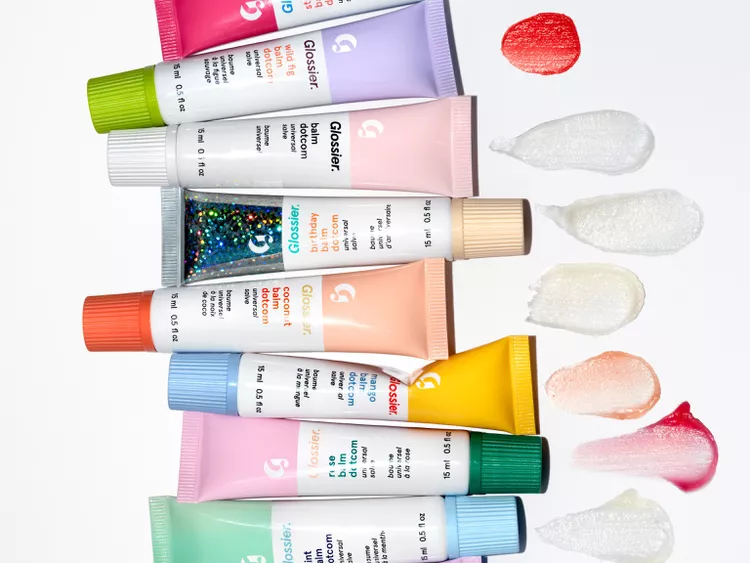
Glossier built its community through Instagram, but the brand owned something deeper: a community-first methodology that valued customer co-creation over traditional advertising. When platform algorithms shifted, Glossier’s owned approach – its IP, not just its follower count – gave it resilience. This brand strategy focused on ownership rather than visibility proved critical.
Source: https://www.byrdie.com/glossier-original-balm-dotcom-exclusive-8648681
Brands that own their positioning, their methodologies, and their customer relationships survive platform changes. Brands that rent attention don’t.
The Rise of AI Makes Ownership Critical
Artificial intelligence can now replicate content, aesthetics, even entire brand voices. What AI cannot replicate is proprietary intellectual property – the frameworks, methodologies, and cultural narratives that make a brand defensible.
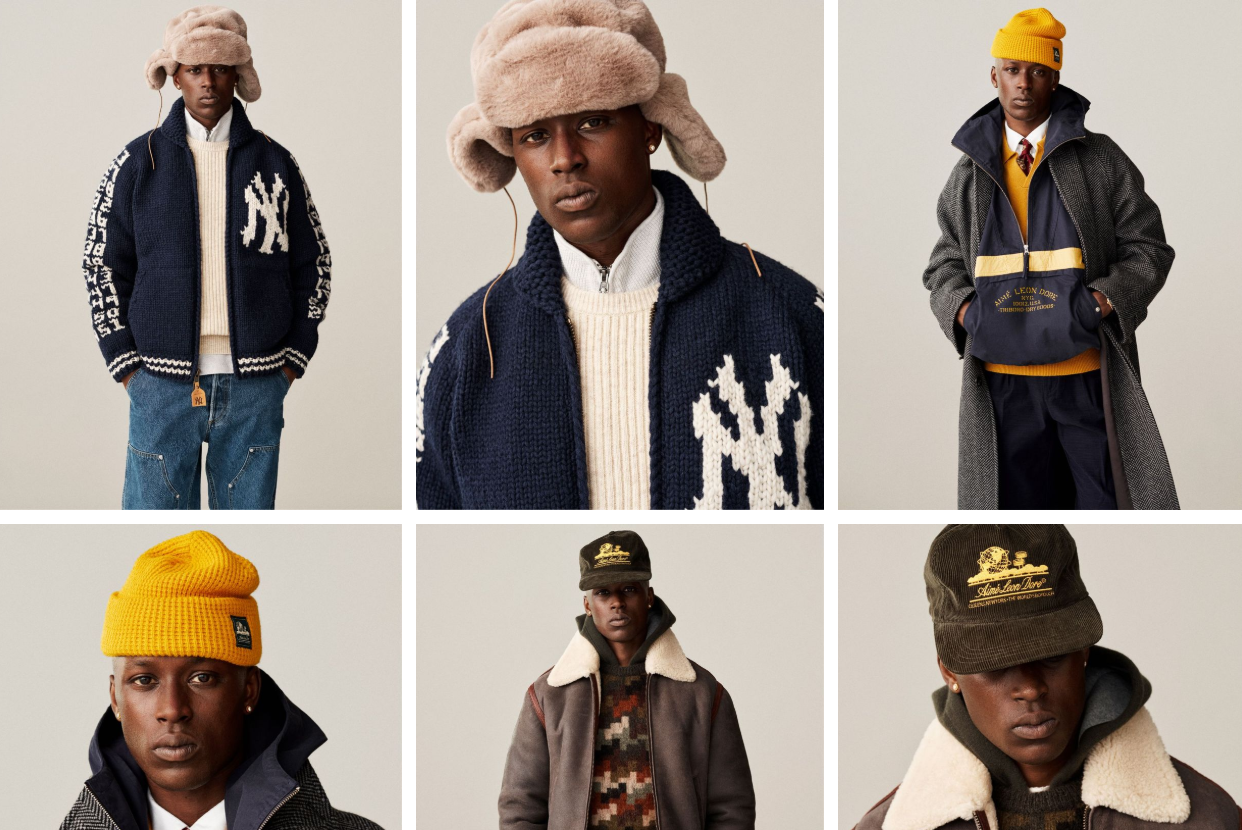
Aimé Leon Dore doesn’t just create beautiful streetwear photography. The brand owns “elevated New York nostalgia” – a specific aesthetic and cultural positioning that combines prep tradition with downtown cool. While AI can generate images in ALD’s style, it can’t own the cultural territory the brand has claimed through years of consistent brand development.
Source: https://www.aimeleondore.com/
As creation becomes commoditized, ownership becomes the only moat. This is especially true for small business owners and founders building a personal brand alongside their company brand.
Brand Ownership Drives Business Value
Strong brand equity translates directly to financial performance. Research shows that modern brands with positive brand equity can command premium pricing, maintain customer loyalty through market changes, and increase their acquisition value significantly.
Disney’s IP ownership model has created over $200 billion in brand value. Not through better products, but through strategic ownership of characters, stories, and entire universes that generate revenue across infinite touchpoints.
According to brand equity research, 46% of customers are more likely to buy from brands they’re familiar with. But brand recognition alone isn’t ownership – it’s the proprietary positioning and emotional territory that turns awareness into lasting value. This creates more value for stakeholders and drives better purchasing decisions from target audiences.
Who Is the Legal Owner of a Brand?
Legally, brand ownership belongs to the entity that holds the trademarks, copyrights, and other intellectual property rights. This is typically the company, the founder, or a parent organization that has formally registered these assets.
The USPTO grants trademark registrations that provide nationwide legal protection for brand names, logos, and slogans used in commerce. These registrations must be maintained through regular filings and continued use in the marketplace – a responsibility that falls to the brand owner and requires quality control systems.
But legal ownership is just paperwork. The real question isn’t who owns the trademark – it’s who owns the market position, the customer relationships, and the cultural territory that actually drives value.
The Brand Ownership Audit – What Do You Actually Own?
Most founders overestimate their brand ownership. They point to their logo, their social following, their website traffic. But when examined closely, very little of it is actually owned in any meaningful sense.
Use this framework to assess what you truly control:
| Layer | What You Own | Example |
| Legal | Registered trademarks, documented IP, protected methods | USPTO-registered brand assets |
| Positioning | Unique market territory customers can’t find elsewhere | Supreme owns drop culture in streetwear |
| Narrative | Story or philosophy only you can authentically tell | Patagonia owns “activism over profits” |
| Methodology | Proprietary frameworks vs. generic best practices | Red Bull owns content-first media empire approach |
| Cultural | Values, aesthetics, movements exclusively associated with you | Jacquemus owns “French Riviera minimalism” |
Legal Layer: Do you have registered trademarks for your brand name, logo, and key product names? Are your proprietary methods documented and protected? Most founders have basic trademark protection but haven’t codified their intellectual property into protectable branded assets.
Positioning Layer: Do you own a unique position in your market, or are you “one of many”? If you disappeared tomorrow, would customers notice a gap in a given category, or would they simply choose another similar brand? Supreme owns drop culture and artificial scarcity in streetwear. That’s positioned ownership, not just brand awareness.
Narrative Layer: Do you own a story or philosophy that’s uniquely yours? Patagonia owns “activism over profits.” That narrative is theirs – anyone else telling it would be copying. What story belongs to your specific brand that no one else can authentically tell?
Methodology Layer: Do you have proprietary frameworks, or do you use generic best practices anyone can teach? Red Bull doesn’t sell energy drinks using standard beverage marketing; it owns a content-first approach that turned brand building into media empire building.
Cultural Layer: Do customers associate specific values, movements, or aesthetics exclusively with your brand? Jacquemus owns “French Riviera minimalism.” The Row owns “quiet luxury.” These are owned territories – attempts by competitors to claim the same space look derivative and undermine consumer trust.
Most brands own the legal layer and rent everything else. The importance of owning multiple layers cannot be overstated.
How to Build True Brand Ownership (Not Just Brand Guidelines)
Step 1 – Codify Your Unique IP
The first step to ownership is identifying what makes your approach genuinely different. Not your mission statement. Not your brand values. Your actual intellectual property – the frameworks, methodologies, and perspectives only you can deliver.
This means naming your concepts. The IP Stack. The Brand Ecosystem Blueprint. The Productivity Framework. Generic advice isn’t ownable. Proprietary systems are. This applies whether you’re building a new brand or evolving popular brands in established markets.
Red Bull didn’t just sponsor extreme sports events; they created Red Bull Media House and built an entire content IP ecosystem around extreme performance culture. That’s codified ownership – a repeatable model that extends far beyond energy drinks and other products in their portfolio.
Step 2 – Own Your Positioning, Not Just Your Presence
Having millions of followers doesn’t mean you own anything. True ownership comes from occupying a specific territory in your market that only you can claim. This positioning helps create awareness while building defensible value.
Avoid “better version of X” positioning. That’s not ownership; that’s competition. Instead, create a space only you occupy. Tracksmith doesn’t compete with Nike on performance apparel; it owns “amateur running excellence” – a completely different territory built on craftsmanship, community, and celebration of the everyday runner. This differentiation is a major concern for effective brand management.
Define your positioning with precision. What do you own that no one else can credibly claim?
Step 3 – Build Emotional Territory Through Consistency
Brand equity is built over years, not viral moments. According to research on brand equity measurement, strong brands create value through consistent consumer perceptions and customer experience that reinforce their unique positioning over time.
Hermès maintains ownership of “quiet luxury craftsmanship” through decades of maintaining a consistent brand – regardless of trend cycles. While fast fashion chases viral moments, Hermès builds equity that compounds annually. This consistency across packaging, brand visuals, and customer touchpoints creates instant recognition.
Every touchpoint must connect back to your core IP. Your product design, your customer service, your content, your partnerships – all should reinforce the territory you’re claiming and build a strong sense of what your brand represents.
Step 4 – Protect and Scale Your IP
Once you’ve identified your IP, protect it legally. File trademarks for your brand name, logo, and proprietary terminology. Document your frameworks and methodologies. Make your intellectual property official – this is the responsibility of every brand owner.
Then scale it across touchpoints. Disney’s ecosystem model works because one piece of IP extends across films, merchandise, theme parks, streaming content, and licensing deals. That’s scalable ownership, often using umbrella branding to connect multiple offerings under the same reputation.
Build brand guidelines that codify your visual identity and brand image. Create an IP Stack that documents your proprietary methodologies. Ensure everyone on your team – from employees to external stakeholders – understands what you own and how to protect it through consistent execution across the entire organization.
Brand Ownership vs. Brand Management – What’s the Difference?
These terms are often used interchangeably, but they represent fundamentally different concepts.
Brand management is execution. It’s maintaining consistency across channels, ensuring your team follows brand guidelines, managing your assets effectively, and optimizing campaigns for performance. It’s the day-to-day work of keeping a brand running smoothly for the entire organization.
Brand ownership is strategy. It’s defining what you control – your positioning, your IP, your emotional territory. It’s building the equity that makes management worthwhile and helps build strong brands.
Most companies hire brand managers without establishing brand ownership first. They optimize execution without defining what they’re actually trying to own. That’s backwards.
Ownership must come first. Once you know what you own – your unique IP, your market position, your cultural territory – then effective brand management becomes powerful. Without ownership, management is just maintaining mediocrity more consistently.
Common Mistakes That Undermine Brand Ownership
Mistake #1: Thinking Content Volume = Brand Ownership
Creating daily content doesn’t mean you own anything. AI can generate content. Freelancers can produce blog posts. Agencies can manage your social media.
What AI can’t do is replicate proprietary IP. Your unique frameworks. Your lived experience turned into methodology. Your perspective codified into teachable systems that differentiate you from other brands.
Shift from content creation to IP codification. Document what makes your approach unique, name it, protect it, and build everything else around that core asset. This brand based approach creates lasting value.
Mistake #2: Building on Rented Land
Platform dependency is one of the fastest ways to lose ownership. DTC brands that thrived on Instagram suddenly found their organic reach decimated when the algorithm prioritized Reels over static posts. Creators who built everything on YouTube lost income when ad rates dropped.
Platforms change. Algorithms evolve. What you build on rented land can disappear overnight.
Own your channels. Own your customer relationships. Own your distribution. Email lists, owned websites, proprietary platforms – these create resilience that social media followers never will. This is especially critical for small business owners who can’t afford to lose their entire audience overnight.
Mistake #3: Not Documenting Your Intellectual Property
“It’s all in my head” is not ownership. If your brand’s unique methodology exists only in the founder’s mind, it can’t scale, can’t be protected, and can’t be valued.
Document everything. Your frameworks, your processes, your decision-making principles. Turn tacit knowledge into explicit IP. This makes your brand teachable, delegatable, and eventually sellable – creating more value for all stakeholders involved.
Mistake #4: Chasing Trends Instead of Owning Territory
Following every trend dilutes your ownership. Strong brands filter trends through their unique lens and only adopt what reinforces their position.
When logomania dominated fashion, Hermès didn’t plaster logos everywhere. The brand maintained its quiet luxury positioning because that’s the territory it owns. Trends come and go; owned territory compounds. This discipline to maintain a consistent brand image is what separates enduring brands from flash-in-the-pan successes.
Real-World Examples of Strong Brand Ownership
Disney – The IP Ownership Blueprint
Disney is the definitive case study in brand ownership. The company doesn’t just create characters – it owns a repeatable ecosystem model where one piece of IP becomes infinite revenue streams across subsidiary brands and line extensions, all managed through a cohesive brand architecture strategy.
A story becomes a film. The film becomes merchandise. The merchandise becomes theme park experiences. The park experiences become streaming content. One IP, unlimited applications – all under the same company structure.
This strategic ownership has created over $200 billion in brand value. Not through better animation, but through ownership of the entire ecosystem around each piece of intellectual property, with strict quality control maintaining the brand’s reputation.
Red Bull – Owning a Cultural Category
Red Bull doesn’t compete with other energy drink companies on taste or price. The brand owns “extreme performance culture” through strategic content IP and ecosystem building that creates awareness far beyond the beverage category.
Red Bull Media House produces documentaries, live streams extreme sports events, and owns the Red Bull Racing Formula 1 team. The company’s brand ownership extends far beyond beverages – it controls the cultural conversation around extreme performance, reaching target audiences through owned media.
This ownership model drove Red Bull’s valuation to over $15 billion, not because the product is superior, but because the brand owns territory no competitor can claim.
Patagonia – Ownership Through Values
Patagonia owns “environmental activism” in outdoor retail. The brand’s commitment to the environment isn’t marketing – it’s core IP that defines every business decision and shapes the entire customer experience.
From committing one percent of sales to environmental causes to eventually transferring company ownership to climate-focused trusts, Patagonia built ownership around values that competitors can’t authentically copy. This responsibility-driven approach resonates deeply with target audiences.
This values-driven ownership creates long lasting relationships with customers that transcend product quality or pricing. Customers who buy Patagonia aren’t just purchasing gear; they’re participating in a movement the brand owns, building consumer trust that drives premium pricing.
Supreme – Owning Streetwear Scarcity
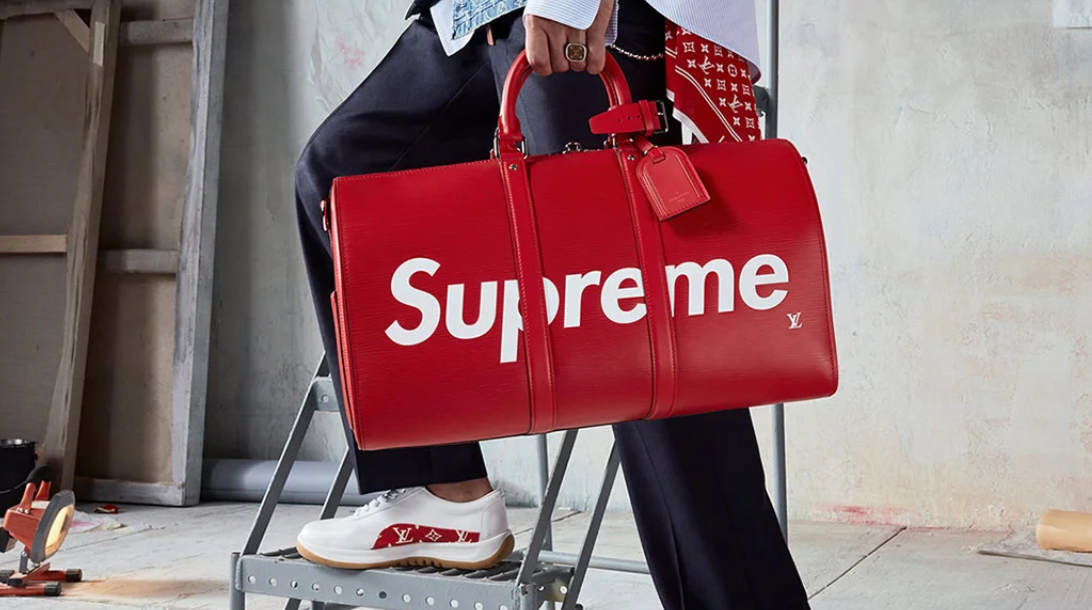
Supreme built brand ownership around drop culture and artificial scarcity. The brand doesn’t follow fashion trends; it creates cultural moments through limited releases and strategic collaborations that generate instant recognition and demand.
Source: https://www.indigo9digital.com/blog/the-brilliant-strategy-behind-supremes-success
This ownership model drove LVMH’s acquisition of Supreme at a premium valuation – not because the product is technically superior, but because Supreme owns a positioning and cultural approach that generates demand regardless of product category.
Want to build brand ownership like these category leaders? Contact us to discover how unmtchd. codifies your unique IP and positions you for long-term value.
The Future of Brand Ownership in the AI Era
As artificial intelligence commoditizes creation, ownership becomes the critical differentiator. AI can generate content, replicate aesthetics, even mimic brand voices. What it cannot do is own positioning, claim cultural territory, or create proprietary frameworks from lived experience.
Modern brands that will win in the next decade are those that understand ownership isn’t about producing more – it’s about controlling something no one else can replicate. Whether you’re building a personal brand or a corporate empire, this principle holds true.
This means shifting from content creation to IP codification. From chasing algorithms to building equity. From renting attention to owning territory. The importance of this shift cannot be overstated as AI continues to evolve.
The future rewards owners, not renters.
Building Legacy Through Ownership
Brand ownership operates on three levels: legal protection of your assets, emotional connection with your customers, and strategic control of your intellectual property. Most companies focus exclusively on the first and wonder why their brand doesn’t build lasting value.
The brands that endure – Disney, Patagonia, Red Bull, Supreme – own more than trademarks. They own methodologies, cultural territories, and emotional associations that compound over time. They build IP-led ecosystems where one piece of proprietary value extends across infinite touchpoints, creating strong brands that transcend individual products.
In the age of AI and algorithms, the only sustainable advantage is what you own. Not what you rent through platforms. Not what you borrow from trending formats. What you build, codify, protect, and scale as uniquely yours.
That’s not just brand management. That’s brand ownership. And ownership is what defines your legacy.
Ready to identify and protect your brand IP? Join The unmtchd. Collective to access frameworks, workshops, and a community of founders building ownership-driven brands.
Frequently Asked Questions
What does brand ownership mean?
Brand ownership is the legal, emotional, and strategic control a company has over its brand identity, intellectual property, and market positioning. It encompasses trademark protection for your branded assets, customer perception and emotional connection, and the proprietary frameworks and methodologies that make your brand defensible and valuable in the marketplace. Effective brand management requires first establishing what you own.
Who is the legal owner of a brand?
Legally, the brand owner is the entity – typically a company, founder, or parent organization – that holds the registered trademarks, copyrights, and other intellectual property rights. The U.S. Patent and Trademark Office grants trademark registrations that provide legal protection for brand names, logos, and slogans used in commerce. This responsibility includes maintaining quality control and protecting the brand’s reputation.
What is the 3 7 27 rule of branding?
The 3-7-27 rule refers to the timeframes consumers need to form brand impressions: three seconds to notice your brand, seven seconds to form an initial impression, and twenty-seven seconds to make a decision about engagement. Strong brand ownership through consistent brand visuals and messaging makes these moments more effective by ensuring instant recognition, clear positioning, and immediate value communication across all touchpoints.
What are the 5 C’s of branding?
The 5 C’s of branding are Company (your business identity and values), Clarity (how clearly you communicate your brand), Consistency (maintaining the same message across channels to create awareness), Customers (understanding and serving your target audiences), and Credibility (building consumer trust through authentic delivery). Each element contributes to brand ownership by strengthening how the brand’s customers perceive and connect with your brand over time, influencing their purchasing decisions.